
Separate the three purchasing stages
A polyacrylamide flocculant minimum order quantity is a commercial condition to confirm, not a universal chemical specification. Distinguish laboratory samples, plant-trial material and the first routine order. Each stage answers a different question and may have different package availability or transport arrangements.
A small laboratory sample can identify promising candidates but cannot establish steady plant consumption. A machine trial should test the candidate over representative feed conditions. Routine supply becomes reasonable when operations have accepted the product and purchasing has confirmed the proposed code, quantity and delivery terms.
Calculate the material needed for the trial
Start with planned operating hours and a defensible consumption estimate, then include only a justified allowance for repeat runs and preparation losses. State whether the estimate uses supplied product or active polymer. If the trial is specified per dry tonne, use dry-solids throughput rather than the wet sludge mass.
For example, an assumed 1.5 kilograms of supplied product per hour over a 24-hour trial uses 36 kilograms before an allowance. The figures illustrate order planning and do not prescribe a treatment dose. Recalculate using the plant schedule and the latest approved trial estimate, then convert the total into the available package format.
Ask the supplier what can actually be supplied
Send the product family, trial objective, candidate code if known, approximate quantity and destination. Ask whether the request can be supplied as a sample or trial shipment, whether sample and transport charges apply, and whether the candidate corresponds to the intended commercial grade. Avoid assuming that every trial is free.
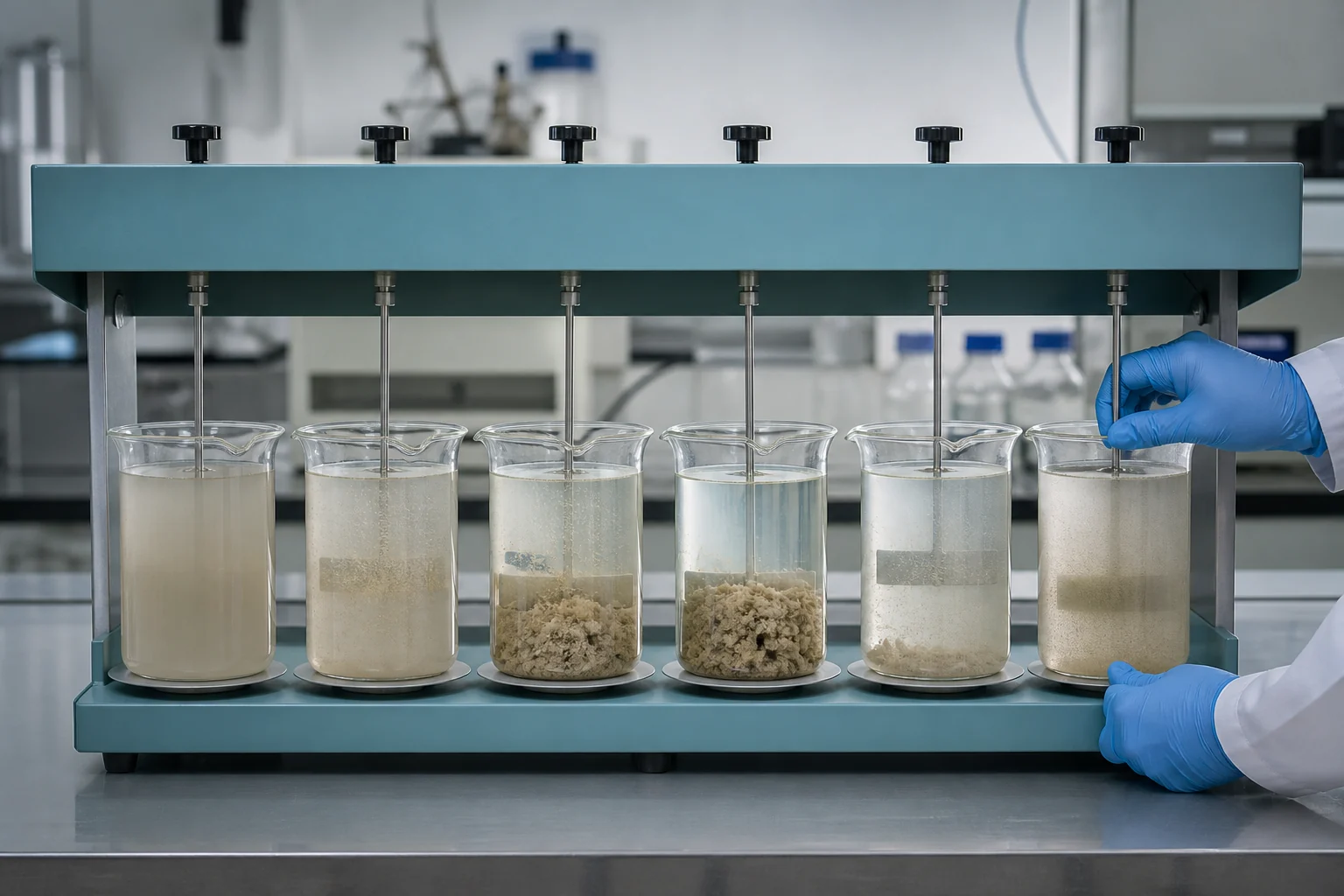
The existing sample comparison method defines the technical screening stage. Discuss the next quantity with Xinqi Polymer technical sales after explaining the equipment and results that will determine approval. A sample count without a test plan does not make an enquiry more precise.
Avoid buying stock before the decision is ready
If the quoted minimum exceeds the planned trial need, identify how the remaining material would be stored and used. A discount is not useful when the candidate may be rejected or when the plant cannot prepare that supplied form. Review the risk with the operating team before converting an uncertain trial into a routine order.
Use the polyacrylamide purchasing reference to frame quantity and replenishment questions. Keep the supplier-confirmed minimum and the technically required trial quantity in separate fields so the commercial constraint remains visible rather than being mistaken for proof of plant demand.
Define the first routine order after acceptance
Record stable consumption, plant operating days and confirmed replenishment timing. Count accepted usable stock and consider the product-specific storage limits. Choose the first routine quantity around a controlled supply period rather than automatically extrapolating the best laboratory dose across the entire year.
The RFQ buying guide and receiving requirements connect those calculations to an identifiable delivery. Confirm the minimum, package format and lead time again for the final offer. An approved trial code and a clear order confirmation protect the purchase more effectively than a generic promise of low MOQ.
Decide when the offered minimum exceeds trial demand
Suppose the machine trial needs less material than the offered minimum. Ask whether a suitable trial quantity can be supplied in an available package, then assess the remaining stock if it cannot. Keep that commercial constraint separate from technical approval. Operations should not label the entire order necessary merely because a supplier offers no smaller shipment.
Record the date when trial results will be reviewed and the action for unused material. If the candidate fails, preserve identity and seek supplier guidance before considering another application. If it passes, use measured consumption to plan the next order. This gives purchasing a clear decision path without presuming the trial will succeed.
| Review point | Evidence to retain |
|---|---|
| Stage | Sample, machine trial or routine order |
| Quantity | Operating hours and consumption basis shown |
| Remainder | Storage and review responsibility identified |