
Ask what the reported number means
A high molecular weight polyacrylamide flocculant offer should identify the grade and the method or basis used for its stated value. Two catalogue numbers are not automatically comparable if one is an estimate, another is method-derived or neither explains the measurement conditions. Request clarification before ranking the proposals.
Molecular profile is one selection variable alongside charge, supplied form and preparation. A larger nominal value does not guarantee stronger useful floc or lower consumption. The product must meet the actual separation endpoint and remain practical to dissolve, transfer and dose using the plant equipment.
Connect chain length to the duty being purchased
Describe whether the plant needs clarification, compaction or mechanical dewatering. Each imposes different contact and shear conditions. A candidate producing large floc in a gentle jar may behave differently after pumping or on the installed separator. Specify the machine and injection route in the sample enquiry.
The anionic and cationic product guides provide family-specific context. Keep charge and molecular differences visible when comparing candidates so one cannot be credited for a change actually caused by the other.
Separate solution viscosity from performance
A thick-looking stock solution is not enough to establish molecular weight or treatment value. Concentration, temperature, salt and the measurement method can affect viscosity. Record those conditions if viscosity is used in technical discussion or incoming inspection.
Inspect dispersion and hydration before judging the candidate. Undissolved material can distort both appearance and dosing. Use the make-down guidance and the supplier instructions, then evaluate the material at the injection point rather than assuming preparation quality from tank appearance alone.
Request a comparison that isolates the question
Ask Gongyi Xinqi Polymer for a purposeful candidate set suited to the feed. Explain which existing grade is the reference and the limitation to improve. Request product data and a description of how the candidates differ, without asking the supplier to guarantee the largest numerical specification.
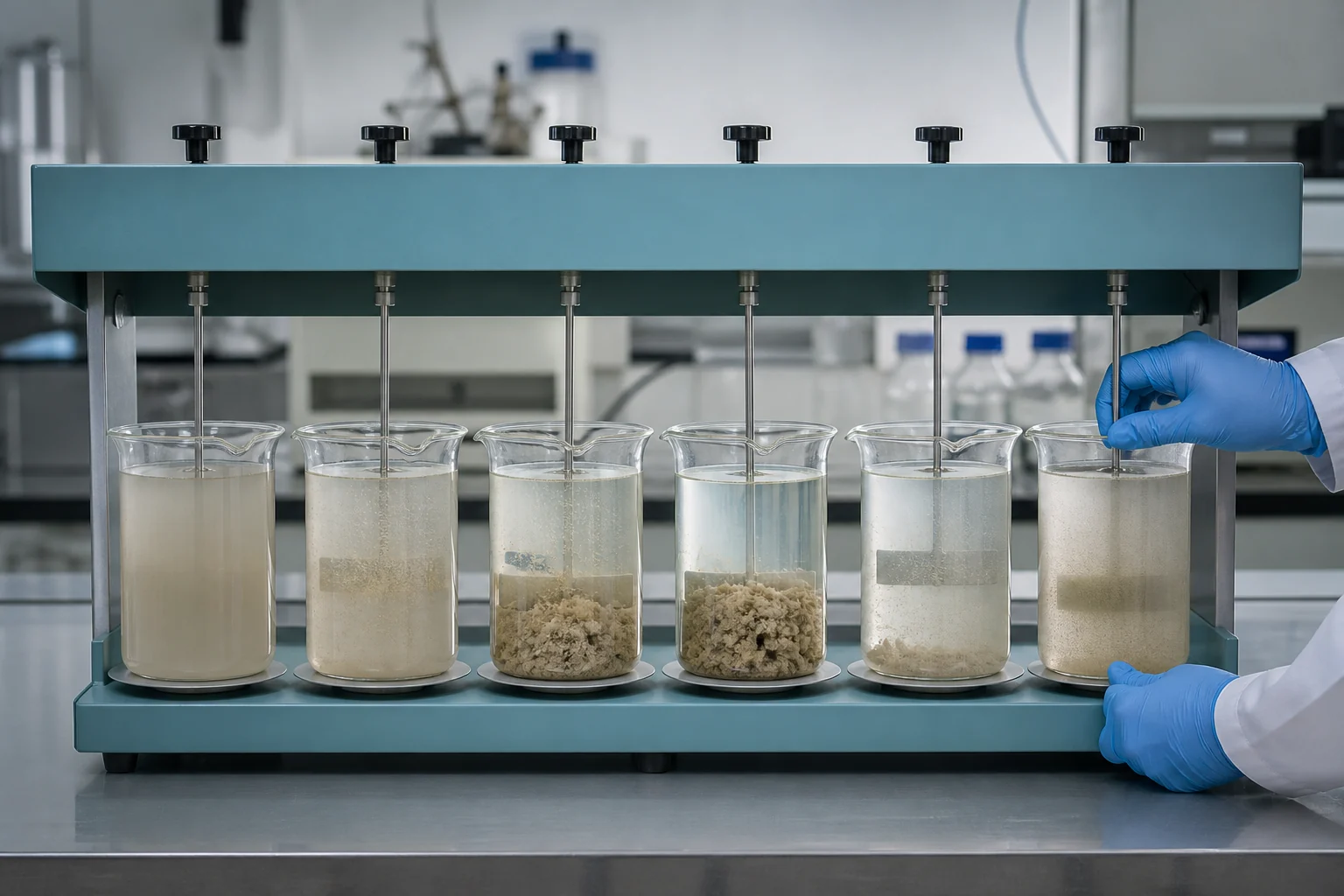
The manufacturer-evidence reference adds context for documentation and sample identity. Screen the proposed profiles across a practical dose range, then confirm finalists on the installed equipment. Retain trial codes so a later quotation can be matched to the material evaluated.
Write an approval the plant can verify
Specify the accepted commercial code and agreed reported properties, with units and methods where relevant. Add the operating range and measured result that justified selection. A numerical range may support quality review, but it should not replace the performance baseline for a critical treatment duty.
Use the RFQ guide to connect those details with quantity, packaging and destination. Review a proposed substitute if its preparation or molecular profile changes. The useful purchasing question is which candidate produces reproducible separation under the agreed conditions, not which brochure prints the highest number.
Resolve inconsistent molecular and viscosity descriptions
Suppose two offers use similar viscosity language but very different molecular-weight claims. Ask for their measurement conditions and whether the molecular value is measured or estimated. Keep that question open rather than assuming one source is wrong. The plant trial can compare performance even when the catalogue numbers are not directly comparable.
Document solution concentration and preparation for any internal viscosity check. Review whether the observed result remains stable through transfer to the injection point. Acceptance should retain the proposed code, agreed property basis and demonstrated separation outcome, allowing a later replacement or discrepancy to be assessed without relying on the thickest-looking stock solution.
| Review point | Evidence to retain |
|---|---|
| Property | Value and method or estimate identified |
| Preparation | Concentration and transfer conditions recorded |
| Performance | Relevant equipment result confirmed |