
Distinguish wastewater from wet-end use
Polyacrylamide purchased for paper-mill wastewater is not automatically a wet-end retention aid or a machine-process specification. Identify the effluent or sludge stage requiring treatment. Describe whether the feed includes fibre fines, fillers, biological sludge or mixed recovered solids.
Provide the normal solids range, pH and relevant dissolved-chemical information. State the furnish or production changes that affect the wastewater. A mill using different recovered paper or coating programmes may see different polymer demand despite having the same nominal flow rate.
Choose the metric that supports the mill
For clarification or flotation, compare treated-water quality and recovered-solids handling. For sludge dewatering, include capture, cake handling and throughput. A treatment change that recovers more solids may also change the loading of downstream equipment, so record the full path of the solids.
Keep upstream coagulants and process additives in the test record. Residual chemicals can influence candidate ranking; a cationic label alone is not enough to prescribe the purchase. Review the application matrix and the actual separator before narrowing the product family.
Screen the grade under realistic variability
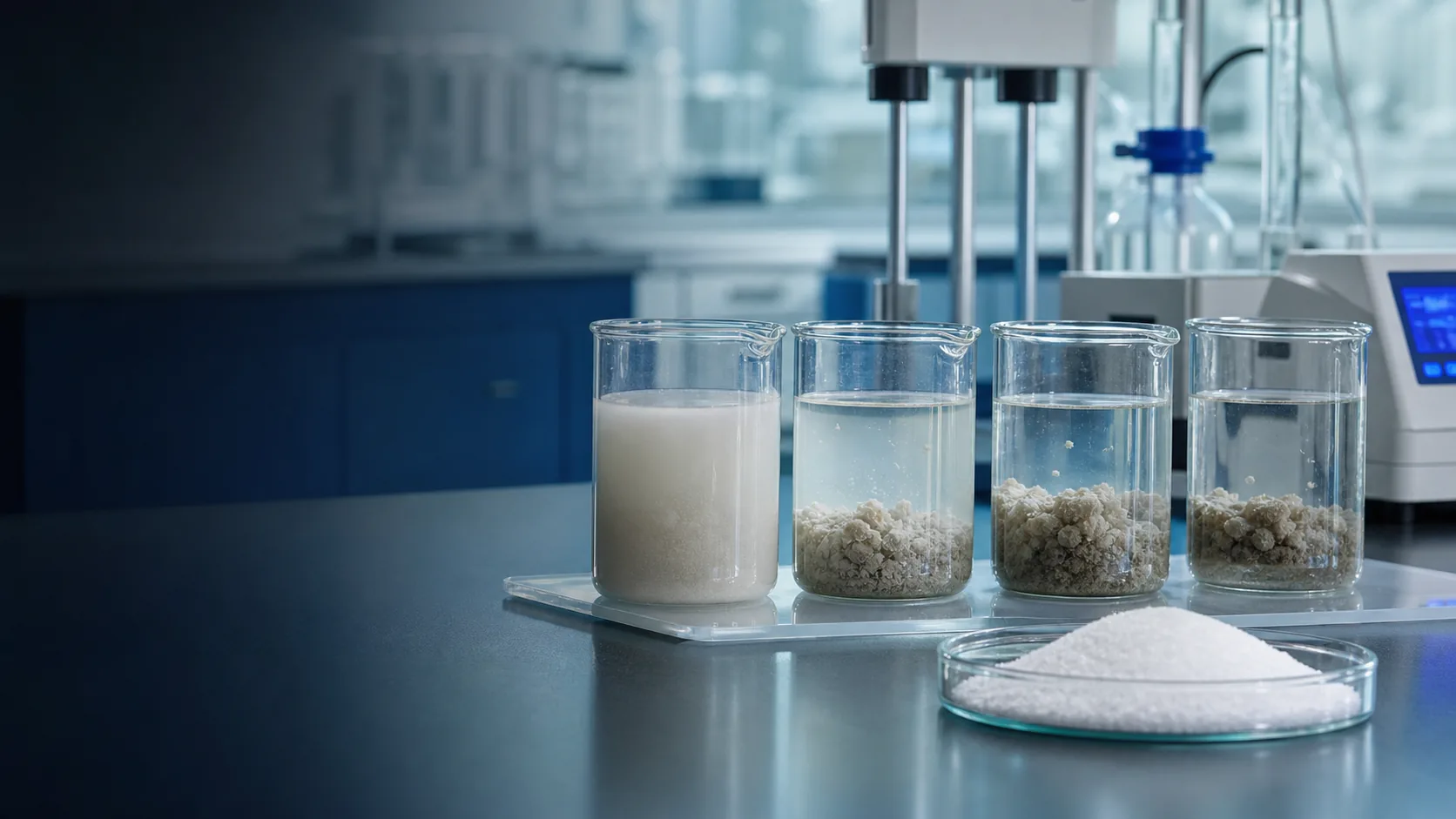
Use representative feed and actual preparation water where appropriate. Compare identified candidates at several doses with the method controlled. Take the stronger products into a stable equipment trial and include a production condition that challenges the current treatment programme.
Record preparation, solution age and any adjustment of separator settings. A change in fibre or filler content can alter observed settling or drainage independently of the polymer. Preserve those measurements so the accepted result can be reproduced when operations review a later batch or an alternative supply proposal.
Ask for a proposal tied to the wastewater
Discuss the feed and trial record with Gongyi Xinqi Polymer. Ask for a coded candidate and the preparation instructions that suit the installed make-down arrangement. Request clarification if a proposal refers broadly to papermaking without stating the wastewater duty.
The PAM purchasing and supply reference provides additional sourcing context. Compare the local cationic and anionic product routes only where the chemistry and tests warrant them; do not order both solely because the mill contains mixed solids.
Keep the agreed grade through receipt
State the accepted product code, required quantity and destination in the final quote request. Confirm the package format, batch identification and documents. A change of supplied form may require a preparation review even when the broad product family is unchanged.
Use the receiving guide to protect the comparison baseline. Track consumption against the actual production and treatment duty, then update the forecast when that duty changes. A useful supplier approval ties the material to the mill’s wastewater performance rather than relying on a generic claim that PAM is suitable for all papermaking applications.
Review a furnish change before blaming a delivery
Suppose polymer consumption rises after the mill changes its furnish or coating programme. Compare the wastewater solids and upstream chemistry with the accepted trial record. Check preparation and separator loading, then evaluate whether the new duty needs a different grade. A simultaneous new delivery does not prove a batch defect.
If the current candidate still meets the target, update the forecast using measured consumption under the changed production condition. If it does not, keep any proposed alternative at the sampling stage until tested. Purchasing can then distinguish a revised operating requirement from a quality discrepancy and request the evidence relevant to each situation.
| Review point | Evidence to retain |
|---|---|
| Duty | Wastewater separated from wet-end use |
| Solids | Fibre, fillers and sludge identified |
| Change | Production differences kept with trial data |